

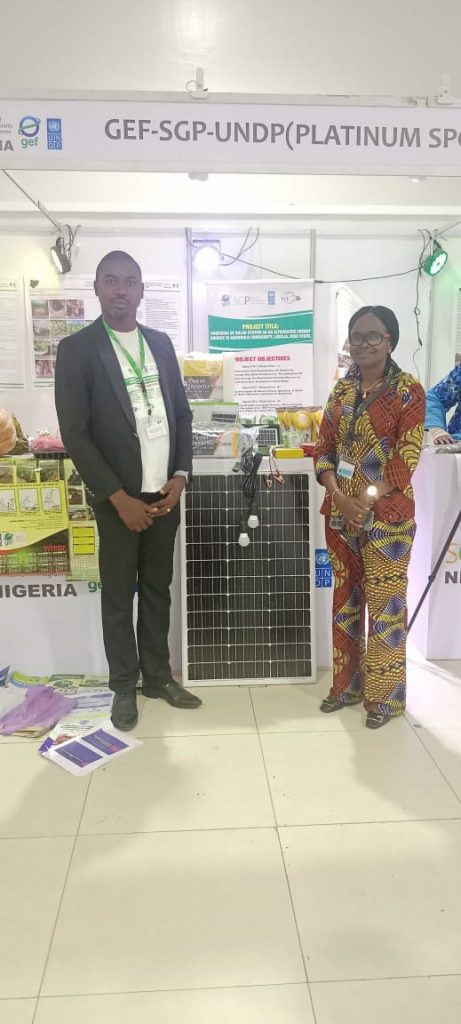
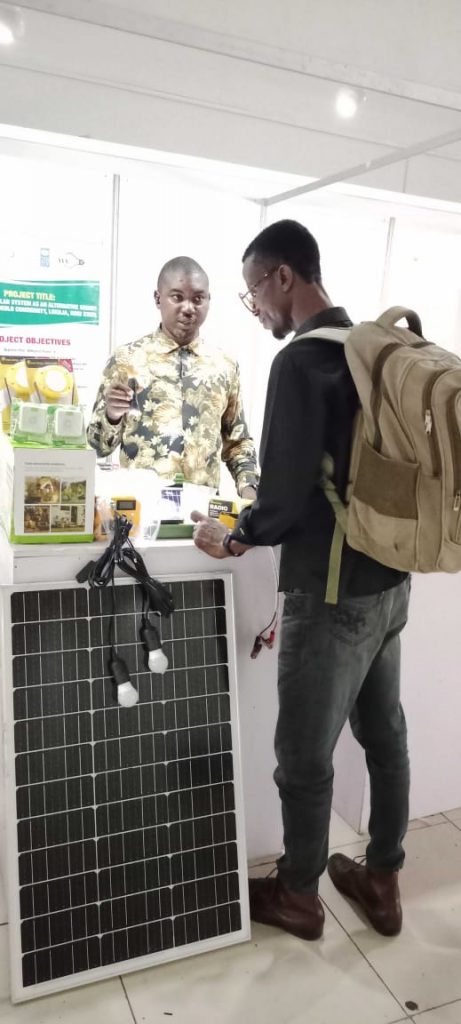
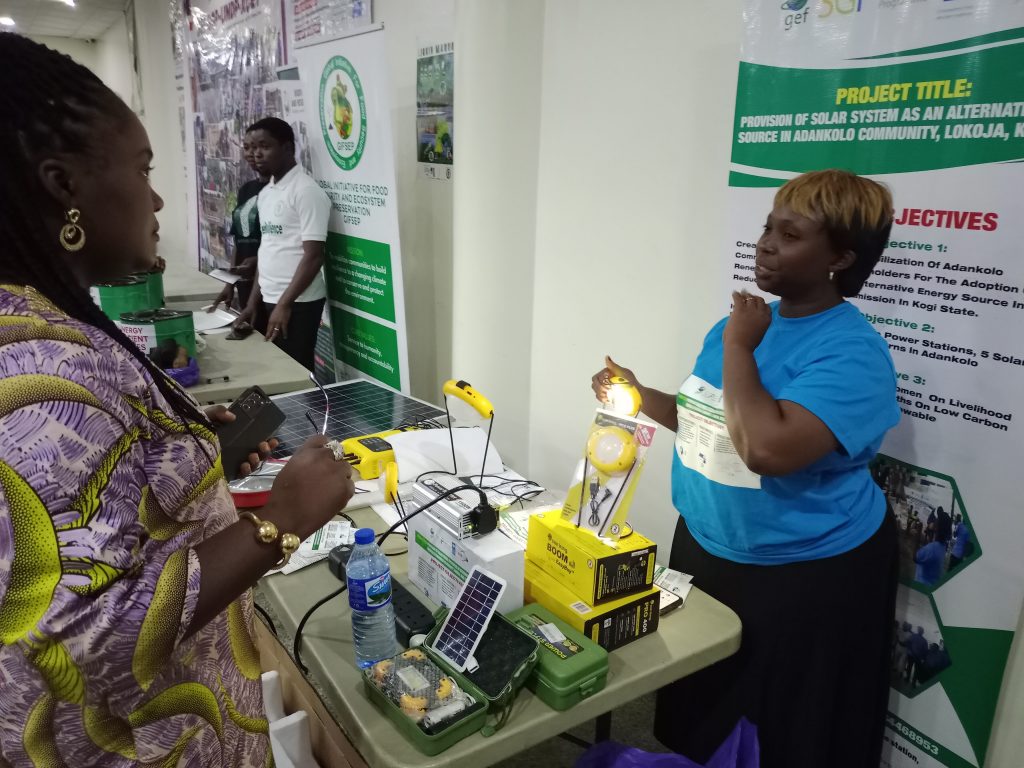
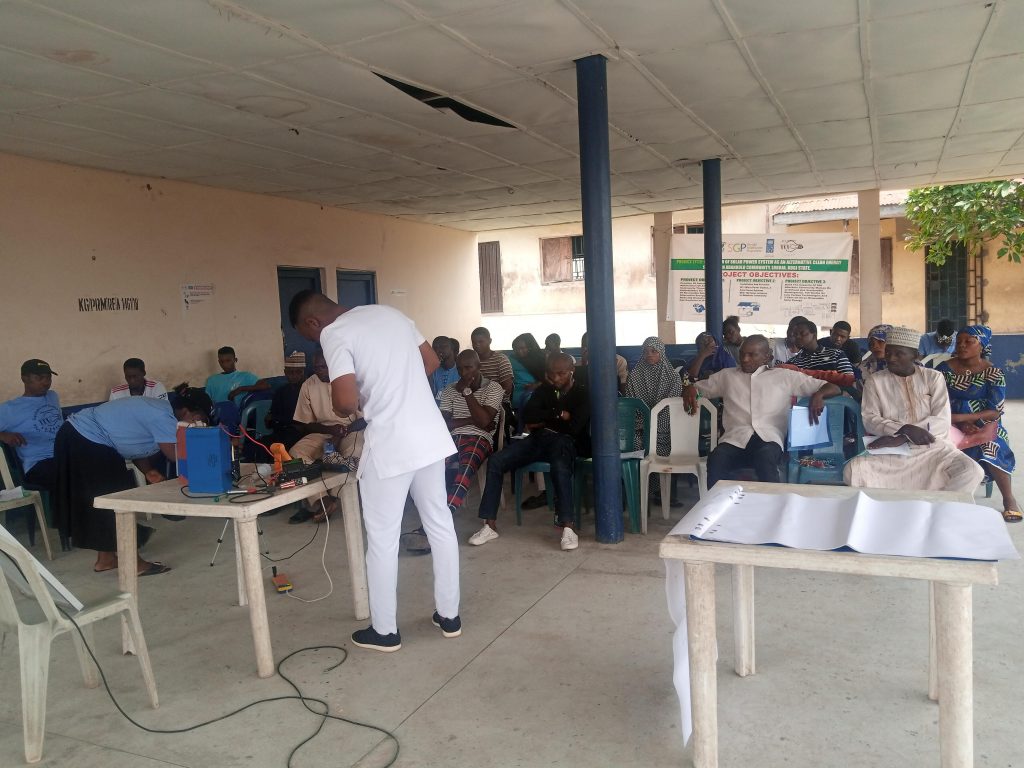


Over 85 million Nigerians lack access to reliable electricity, with rural and peri-urban communities most affected. Heavy reliance on diesel generators, kerosene, and firewood drives high energy costs, air pollution, and low productivity for households and MSMEs.
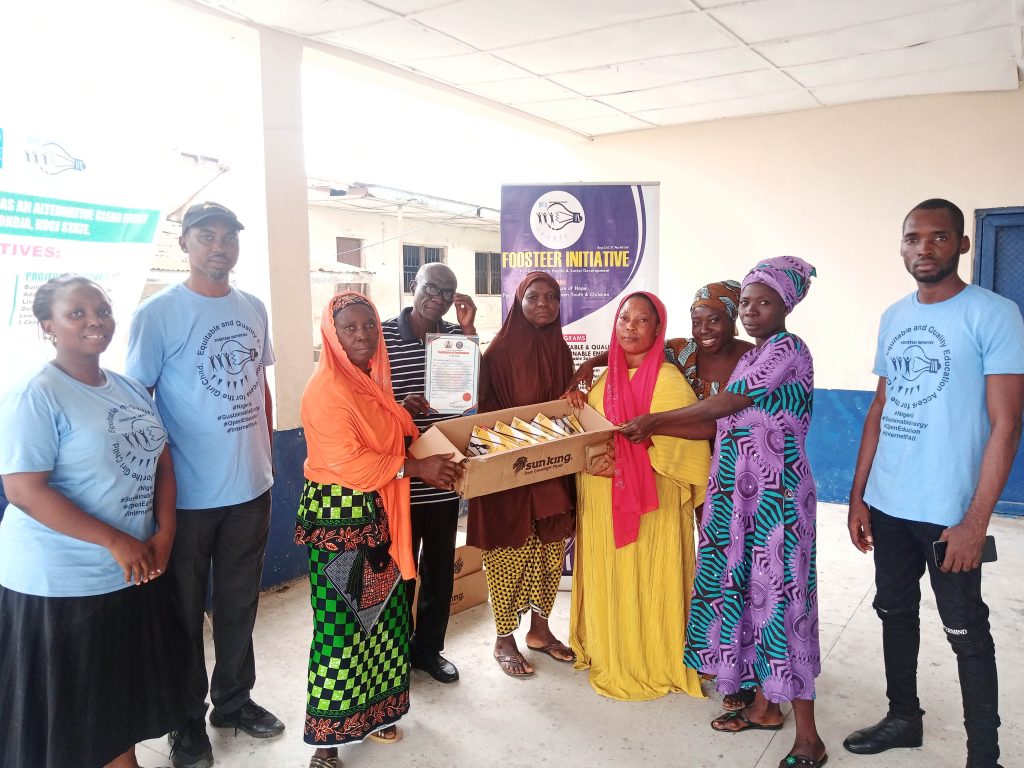
THE PROBLEM: Lack of access to reliable energy sources is a major challenge faced daily by Adankolo community in Lokoja, Kogi State, Nigeria. The community, with an estimated population of over 75,000, (according to community leaders) though connected to the national grid, faces electricity shortages, relying on fossil fuels, releasing pollutants, and contributing to climate change, with potential GDP losses of 2-30% by 2030, and significant health and environmental impacts. The primary occupation there are fishing, farming and hired labour. This project is aimed at the provision of solar power system as an alternative clean energy source in Adankolo community.
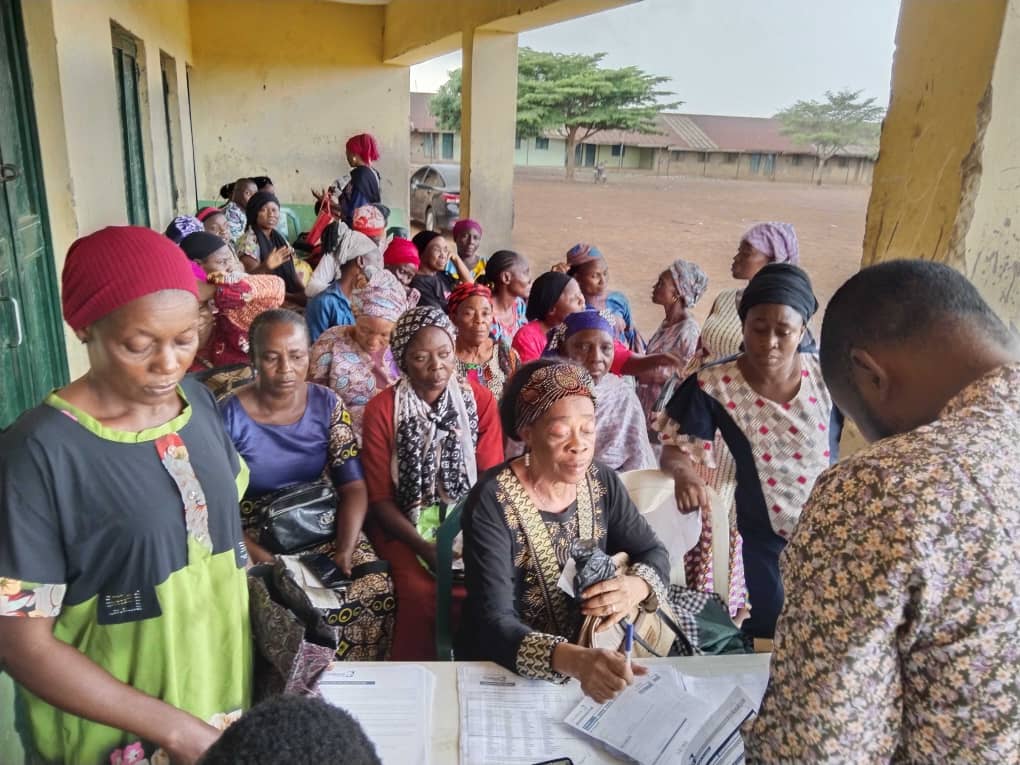
PROJECT OUTCOMES: 1. The project benefitted 3,649 directly and over 18,000 indirectly (9,570 men and 12,324 women). With active participation of women, youths, schools, artisans, the results include twelve registered cooperatives; 10kW micro solar power station; and 5 (1kW) solar home systems.
2. Establishment of 12-member
community Renewable Energy Committee with 120 members trained for maintenance
and replication of project activities in other communities.
3. Establishment of a solar lantern
rental system with 100 lanterns for economic empowerment resulting in 600
empowered women.
4. There is a reduction of at least
48.48 tons CO2 emissions/year from 160 households currently utilizing solar
lanterns; and 23.63 tons of CO2 emissions from petrol generators from 5
community centers.
5. At least 30% increase in savings
of household income, from using alternative clean energy solutions. 16,421 IPs
participated in the project, including 14,231 youth.
A woman, with four children is now able to
save at least USD22/month. 180 community youths and three CBOs capacity built
on low-carbon technologies. This has also reduced her cost of production in
raising baby chicks. beneficiaries who couldn’t afford to outright buy a solar
lamp, had the opportunity to rent one from the charging station.
6. 1083 people were trained on skills
acquisition. The SHSs/Solar lanterns helped to improve learning conditions for
all the girls involved in daytime household chores to do their school homework
by extending reading hours. 20 women are currently earning income from sales
distribution of solar lantern rental system.
7. The SHS/Solar Lanterns has reduced indoor pollutant such as CO2 and NO2. The capacity of 1224 persons was built for Information dissemination, networking, and policy dialogue: 180 youths trained for maintenance of solar components.
The project successfully demonstrated
the potential of solar energy to drive sustainable development in rural
Nigeria. Its impact on energy access, economic growth, and environmental
sustainability serves as a model for future clean energy initiatives in the
region.
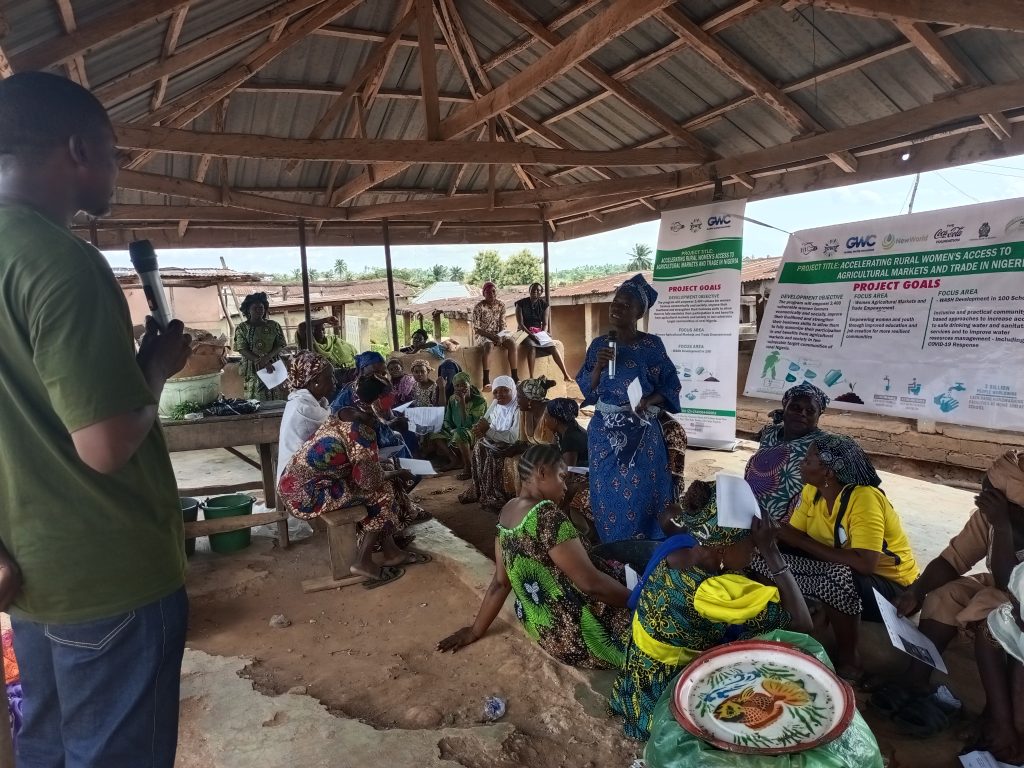
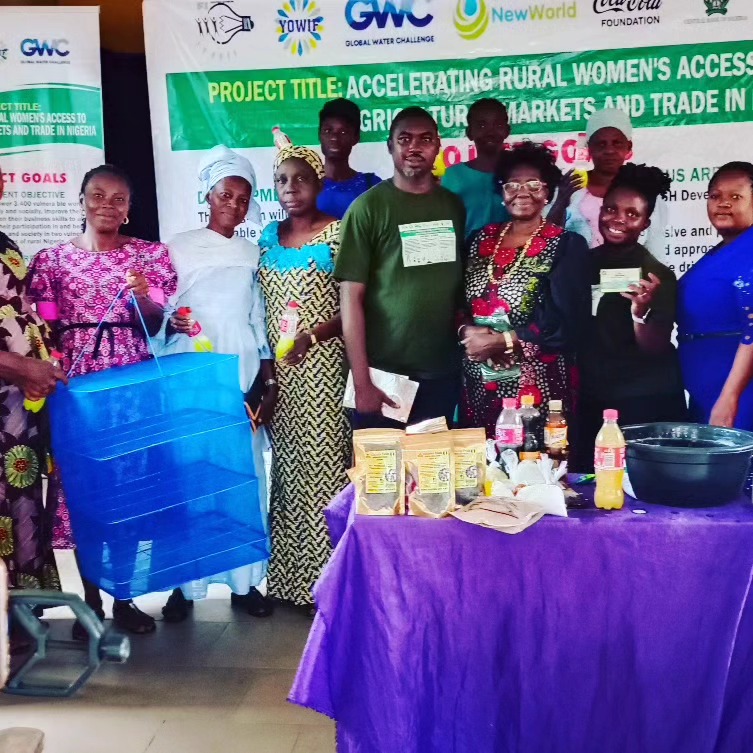
Rural women farmers make up about 60-70% of Nigeria’s agricultural labor force. They are central to food production, processing, and storage of crops like rice, maize, cassava, and vegetables. Beyond farming, they manage household food security, nutrition, and income generation for their families. Many also run small-scale processing and local trade, linking rural production to community markets.
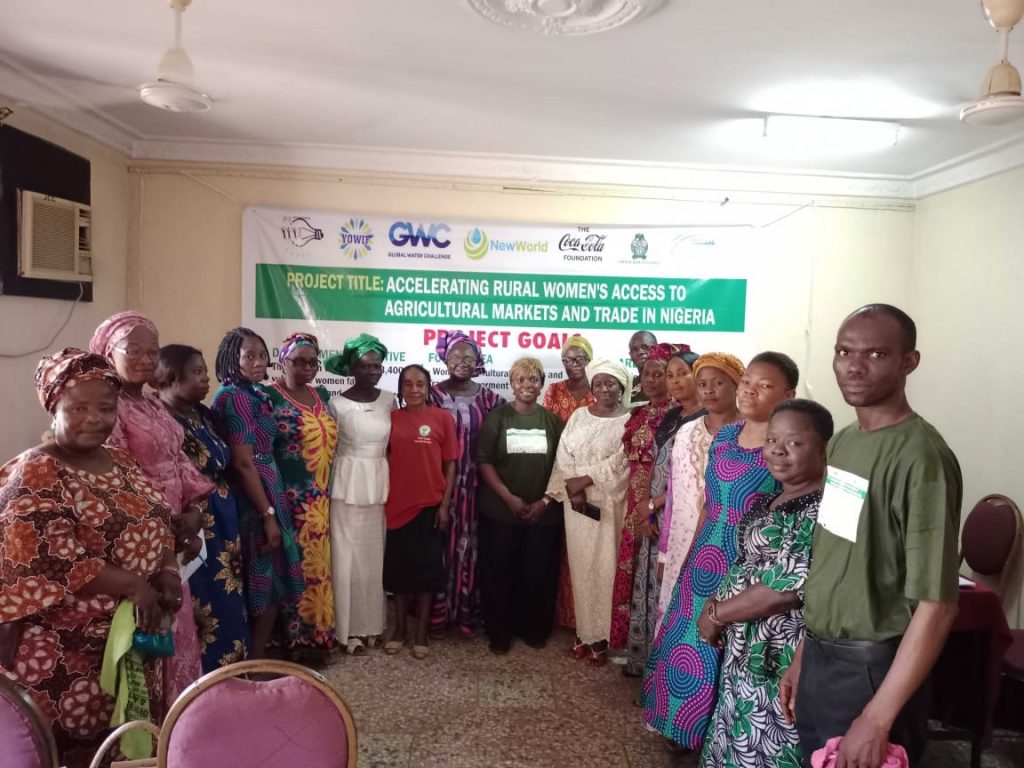
Rural women farmers in Nigeria, faced limited market access, low bargaining power, post-harvest losses/exclusion from digital trade platforms. Foosteer addressed these gaps by strengthening cooperatives, improving market linkages, building digital and financial literacy.
The project successfully increased income, market participation, and digital adoption for 3,400 women farmers in oyo state Nigeria. The cooperative model/train-the-trainer approach have created a foundation for continued growth beyond the project lifecycle.
Key Results Achieved
Indicator Baseline Endline % Change
Average monthly income per farmer ₦18,500 ₦26,800 +45%
Farmers selling through formal markets 22% 68% +46%
Post-harvest loss rate 28% 14% -50%
Women using mobile money for sales 9% 61% +52%
Lessons Learned
1. Collective marketing through cooperatives significantly improves bargaining power and price realization.
2. Low-cost digital tools are effective when paired with hands-on, local-language training.
3. Engaging traditional leaders and local government early improved project acceptance and reduced informal trade barriers.
Foosteer as an organization keeps creating a future of hope for underserved women, children and youths in rural poor communities of Nigeria by helping them build skills and harness resources to reduce their vulnerability in a sustainable way.
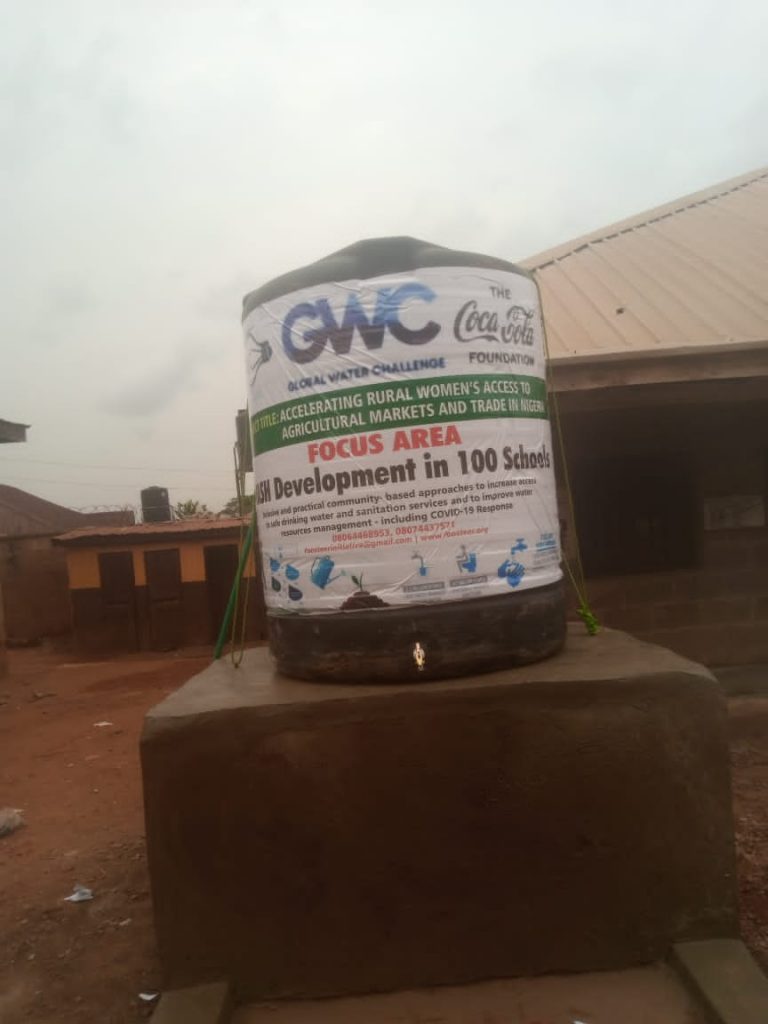
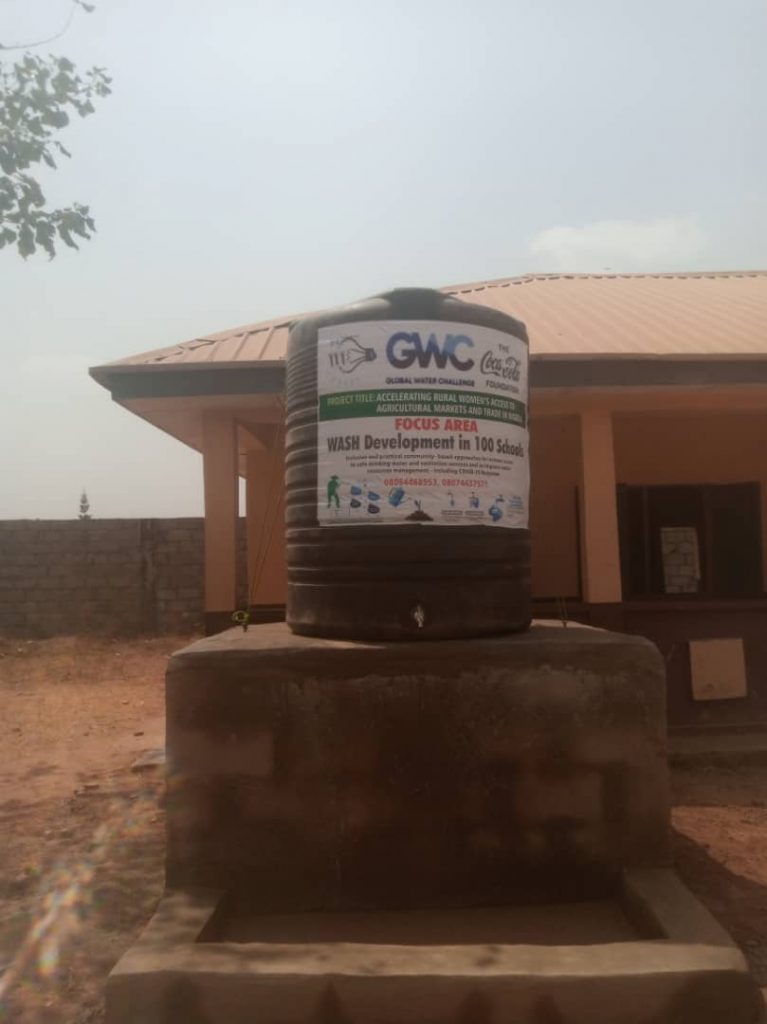
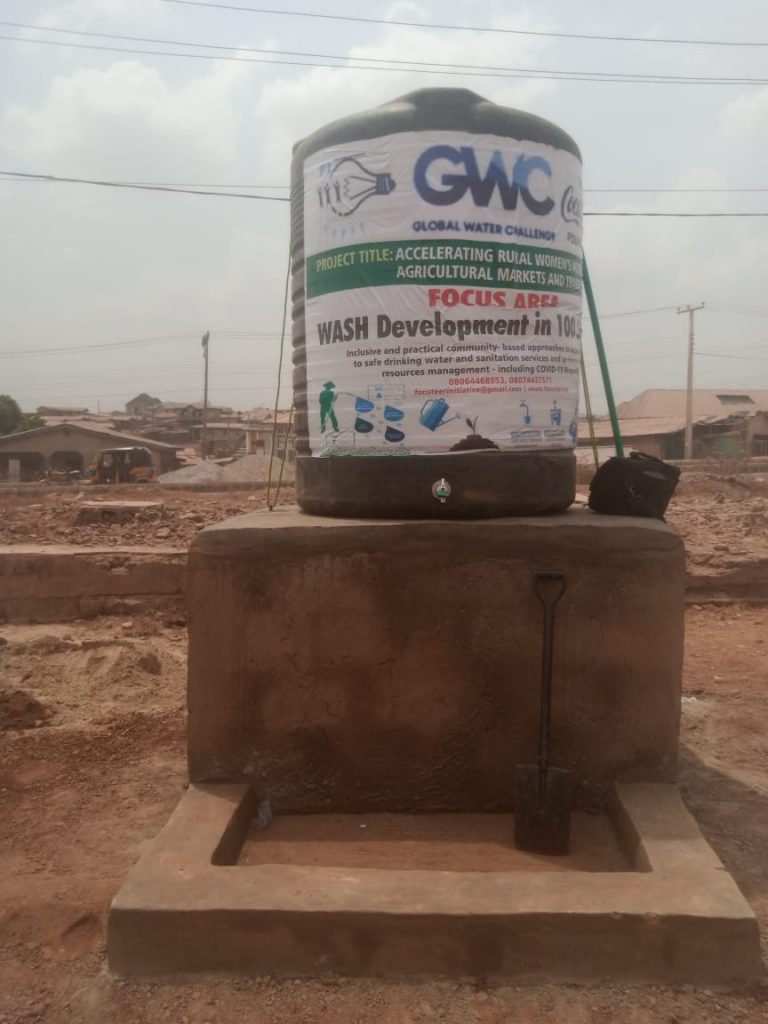
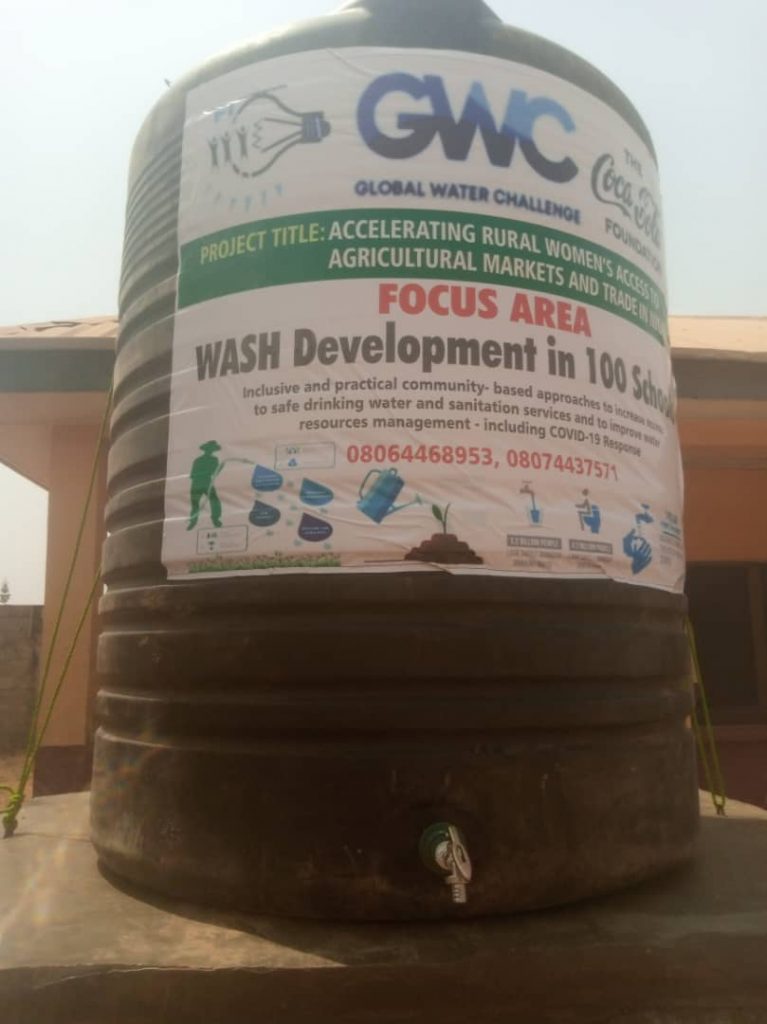
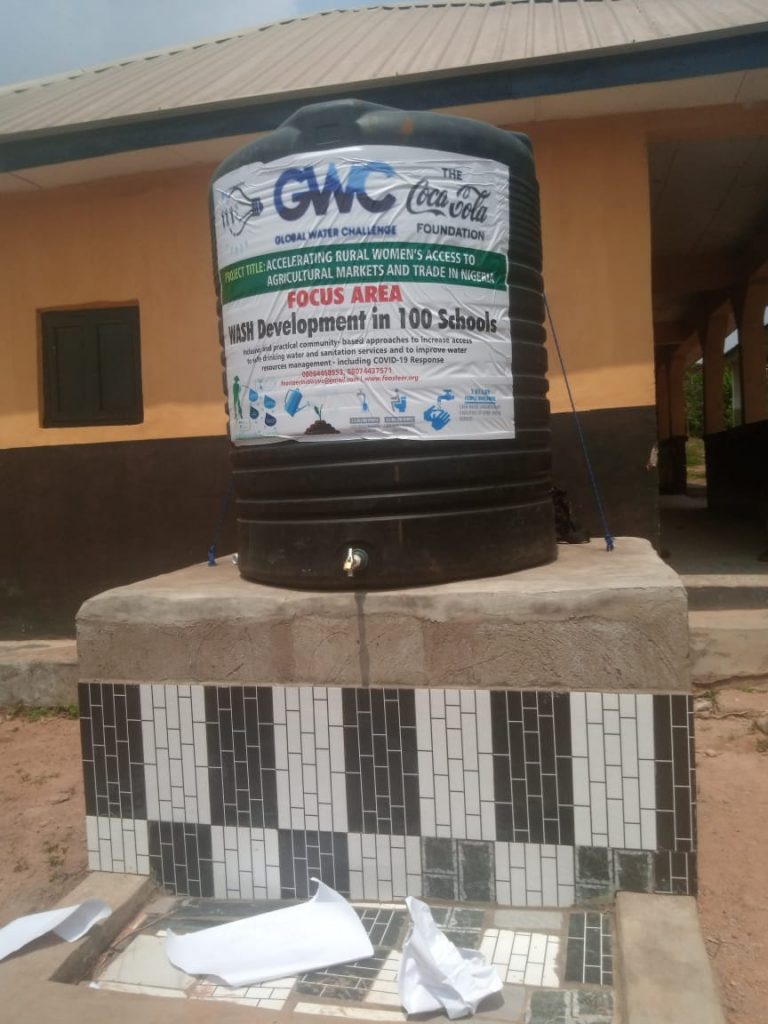
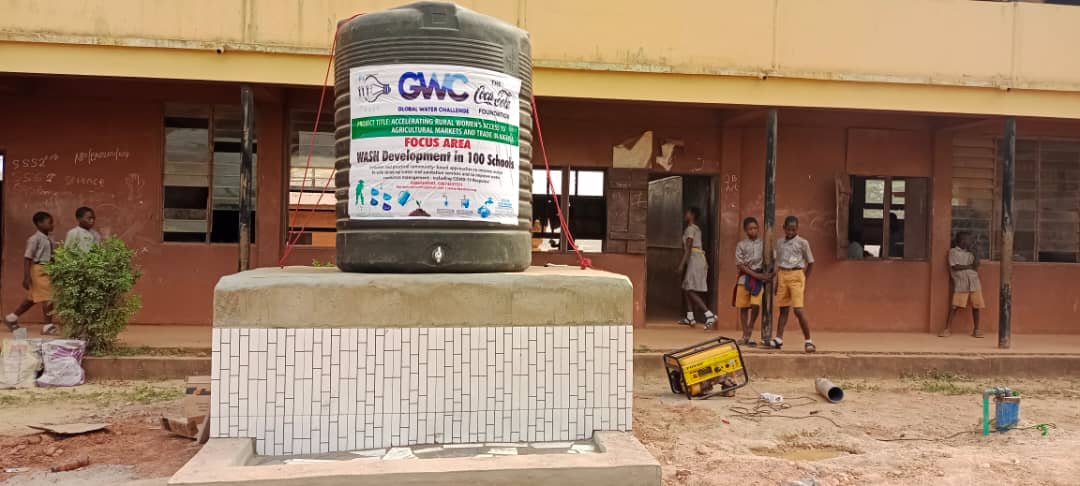
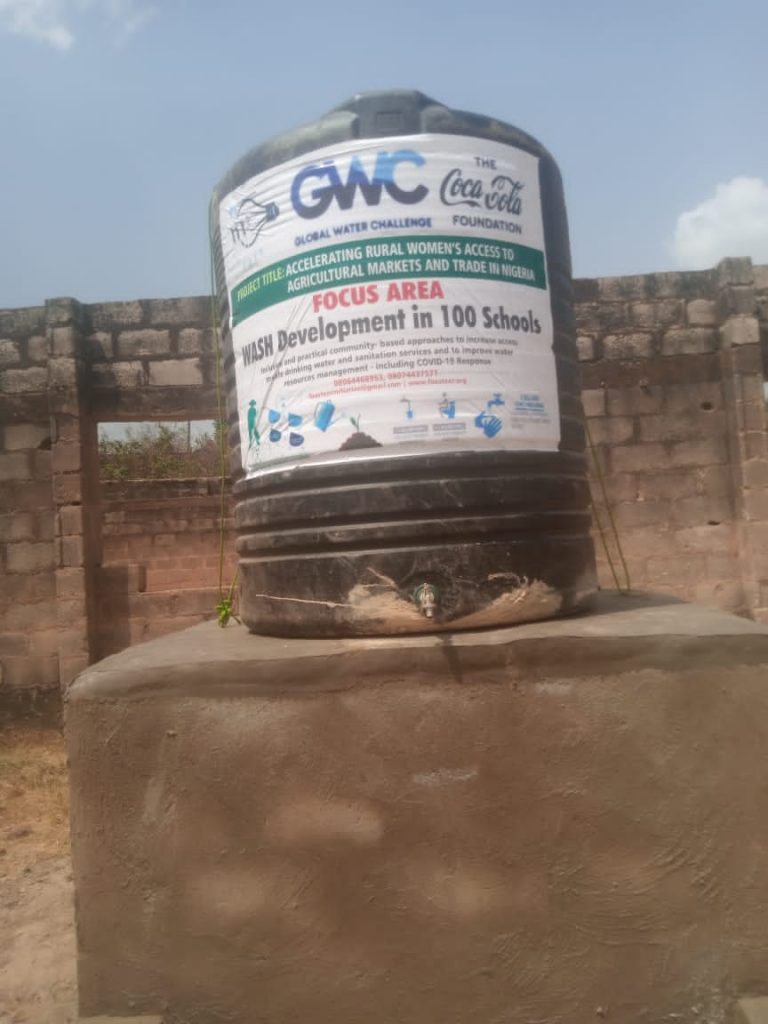
A recent study of public primary schools in Oyo State found fewer than 20% have adequate sanitation, and safe drinking water access is severely limited, especially in rural LGAs. Poor WASH leads to open defecation, waterborne diseases, and high absenteeism, particularly among girls during menstruation. Information gaps compound the problem – students and teachers often lack knowledge on handwashing, menstrual hygiene, and water treatment.
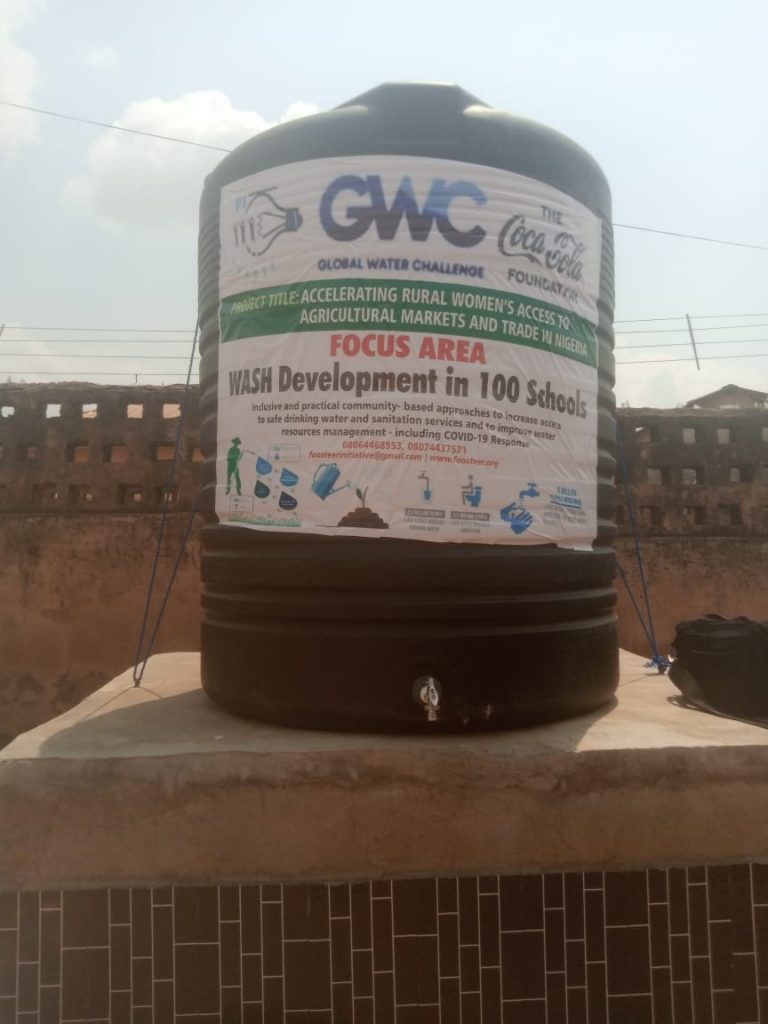
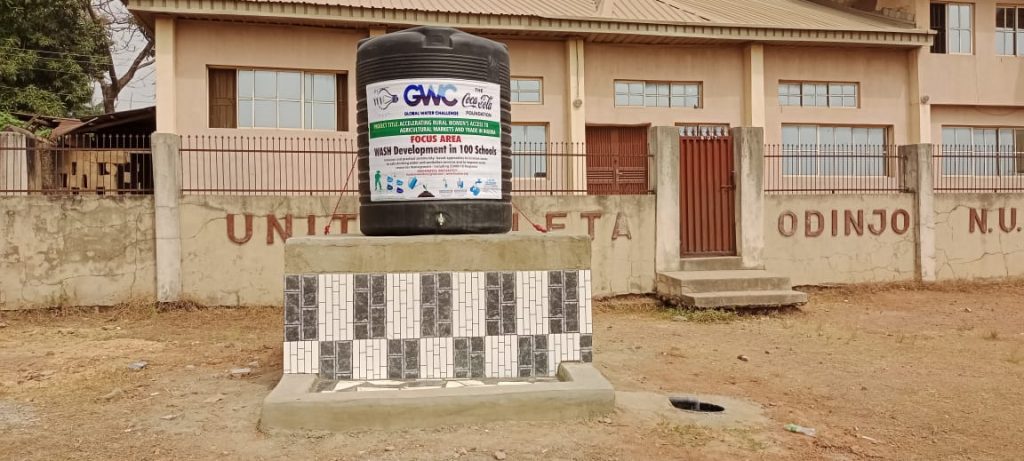
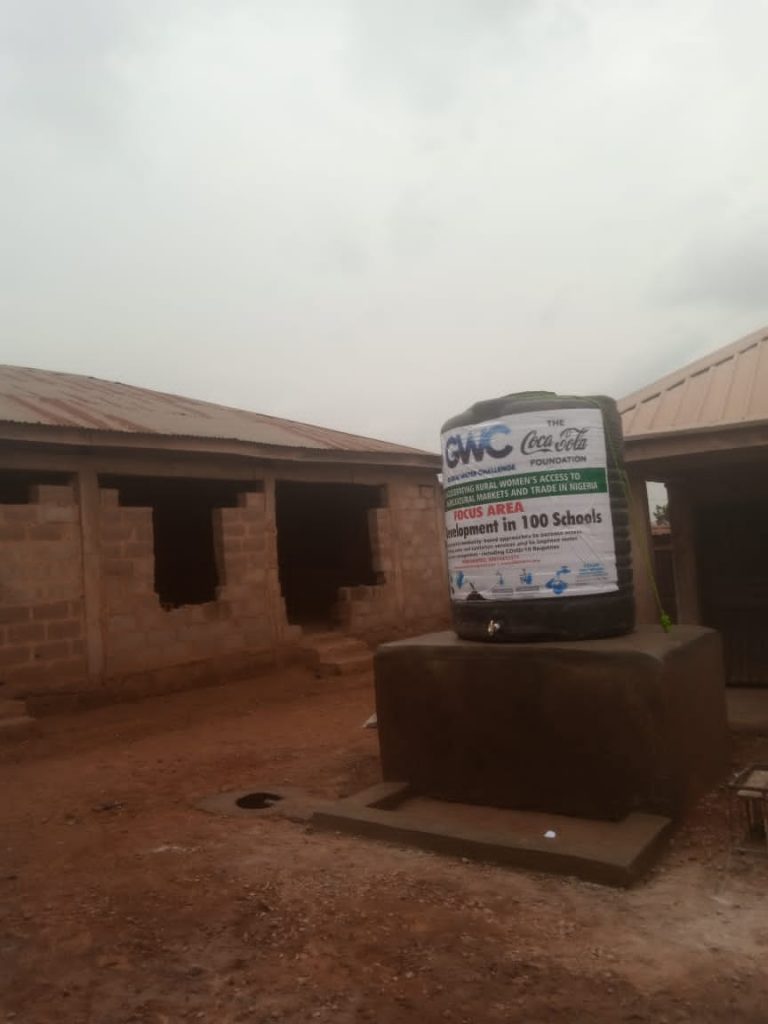
10 new boreholes were provided in 10 schools, across 5 different local government areas, two boreholes each per local government. The boreholes were started from scratch to completion by Foosteer initiative within project scope and timeline, the process included geophysics survey, drilling, pump and other accessories installation. https://www.facebook.com/share/v/Z2uW8gSNcPp7xKbR/?mibextid=ZbWKwL
Foosteer Initiative installing these 10 boreholes, directly addresses these challenges; Below are some of the benefits recorded from this project;
1. Reduces disease and improves health for pupils
Many schools in Oyo rely on poorly maintained wells and pit latrines, which leads to open defecation and higher rates of diarrhea, typhoid, and malaria. Foosteer installed borehole gives students access to clean water for drinking and handwashing, cutting down waterborne illness and keeping kids healthier.
2. Improves attendance and learning outcomes
The poor state of water and sanitation is linked to lower school attendance and performance in Oyo. With water on site, pupils spend less time fetching water and miss fewer days due to illness. Since installation of the boreholes in these schools, the schools have witnessed increase in school attendance.
3. Supports menstrual hygiene and keeps girls in school
74% of schools in Oyo lack basic sanitation services, and 91.4% have no disposal mechanism for menstrual waste. Foosteer Initiatives installed boreholes has made it possible to have functional girls’ toilets, handwashing points, and water for menstrual hygiene in beneficiary schools. Thereby reducing absenteeism during menstruation, which is a major issue for girls in rural Oyo schools.
4. Addresses rural-urban disparity in Oyo
Rural schools in Oyo are the most underserved, with basic water and toilet infrastructure largely absent. With the installation of these boreholes in these schools, it has helped to close the gap between rural and urban LGAs, supporting Oyo State’s SDG 6 targets.
5. Reduces burden on communities and aligns with state priorities
Oyo State has already prioritized borehole drilling in 30 communities under the Community and Social Development Agency projects. School boreholes reduce pressure on community water points and save households time and money. They project also fit into the state’s “Omituntun 2.0” roadmap for sustainable development.
WE DRIVE SOCIAL CHANGE THROUGH INTEGRATED INNOVATIONS
Foosteer collaborates and engage in partnership opportunity to provide lasting equitable, sustainable solutions to communities.
Our Collaborative efforts delivers among others:
- Energy Access.
- Equitable Quality Education.
- Health and Well-being.
- Women/Youth Empowerment.
- Livelihood.
- Sustainable Agriculture.
- WASH.
- Civic Engagement.
- Connectivity.